Installing public EV charge points can add genuine value to a location.
For leisure destinations, retail sites and other commercial environments, EV charging can attract drivers, extend dwell time, generate additional revenue and add value to the overall customer experience.
But there is another side to the equation.
What happens when the driver arrives and the charger doesn’t work?
Perhaps the unit is offline. Maybe the contactless terminal appears to accept payment, but the charging session never starts. The driver tries again, only to find that another pre-authorisation amount has been placed on their card potentially leaving them with two temporary payment holds and still no charge. The charger appears available, but the session will not begin. Or the driver simply cannot work out what has gone wrong and cannot get the support they need.
For someone who may already be watching their remaining range, that experience can quickly turn from inconvenient to extremely frustrating.
At that point, an asset intended to improve the customer experience can very quickly start doing the opposite.

Charging reliability is becoming part of the EV customer experience
For an EV driver who has deliberately chosen a location because charging is available, finding an unusable charger is more than a minor inconvenience.
They may have planned their journey around it and they may need the energy to complete the next stage of their trip.
And unlike a broken vending machine or an unavailable parking bay, the consequences can materially disrupt their journey.
That frustration can also affect future behaviour. If a driver has a poor experience at a particular charging location, why risk returning when alternative charging sites are available?
That means charger reliability should not simply be viewed as an engineering or maintenance issue. It is a customer experience issue, a revenue issue and potentially a brand issue.
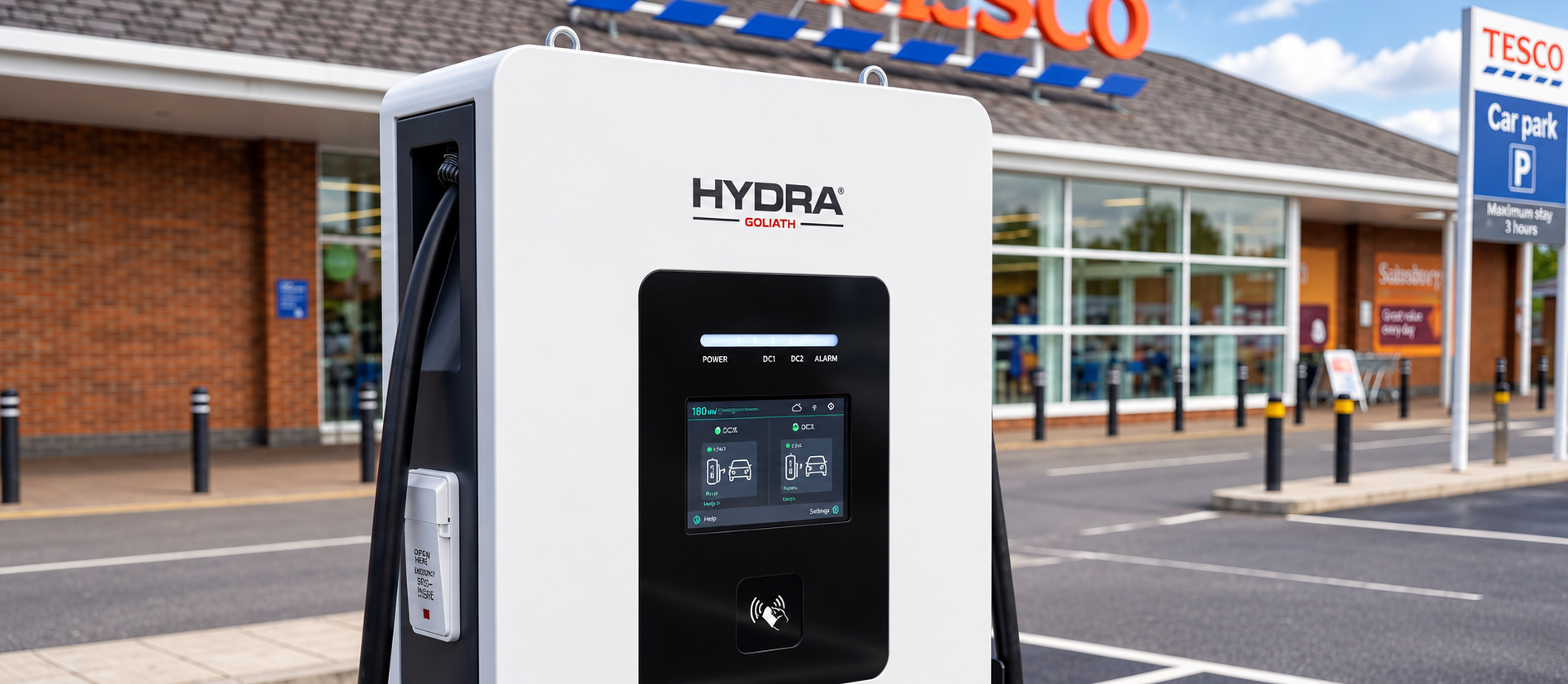
The Government has recognised the importance of reliability
The UK’s Public Charge Point Regulations 2023 were introduced specifically to improve the experience of people using the public charging network.
Among the requirements, charge point operators must ensure that their network of rapid public charge points (those rated at 50kW and above) achieves an average reliability of at least 99% across each calendar year. Operators must also publish information about their compliance.
There is an important detail here too.
A contactless payment terminal that is not working can count as downtime.
Government guidance explicitly treats the contactless terminal as an integral part of a functioning charge point for the purpose of measuring reliability, unless the charger defaults to free charging when contactless payment is unavailable.
The regulations also require a free-to-use, staffed 24/7 telephone helpline for public charge points, reinforcing an important principle: providing charging infrastructure is about more than installing hardware. Drivers need to be able to use it and get assistance when something goes wrong.
Installing the charger is only the start
For organisations considering public charging, much of the initial conversation understandably focuses on the physical infrastructure.
- How many chargers are required?
- What power should they provide?
- Where should they be positioned?
- How will drivers pay?
- What revenue could they generate?
But another question deserves equal attention: How will the charging infrastructure be managed once it is operational?
A charger that is installed and forgotten is unlikely to deliver the experience businesses or drivers expect.
Businesses should consider how charger status will be monitored, how faults will be identified, who takes responsibility for resolving problems, how payments are managed and what happens when a driver needs support.
Where a third-party CPO operates the chargers, these responsibilities may sit contractually with that operator. But from the driver’s perspective, the distinction may matter considerably less.
If the charger carrying your brand, sitting in your car park or promoted as part of your customer proposition repeatedly fails, your reputation can still become associated with that experience.

Visibility can make a significant difference
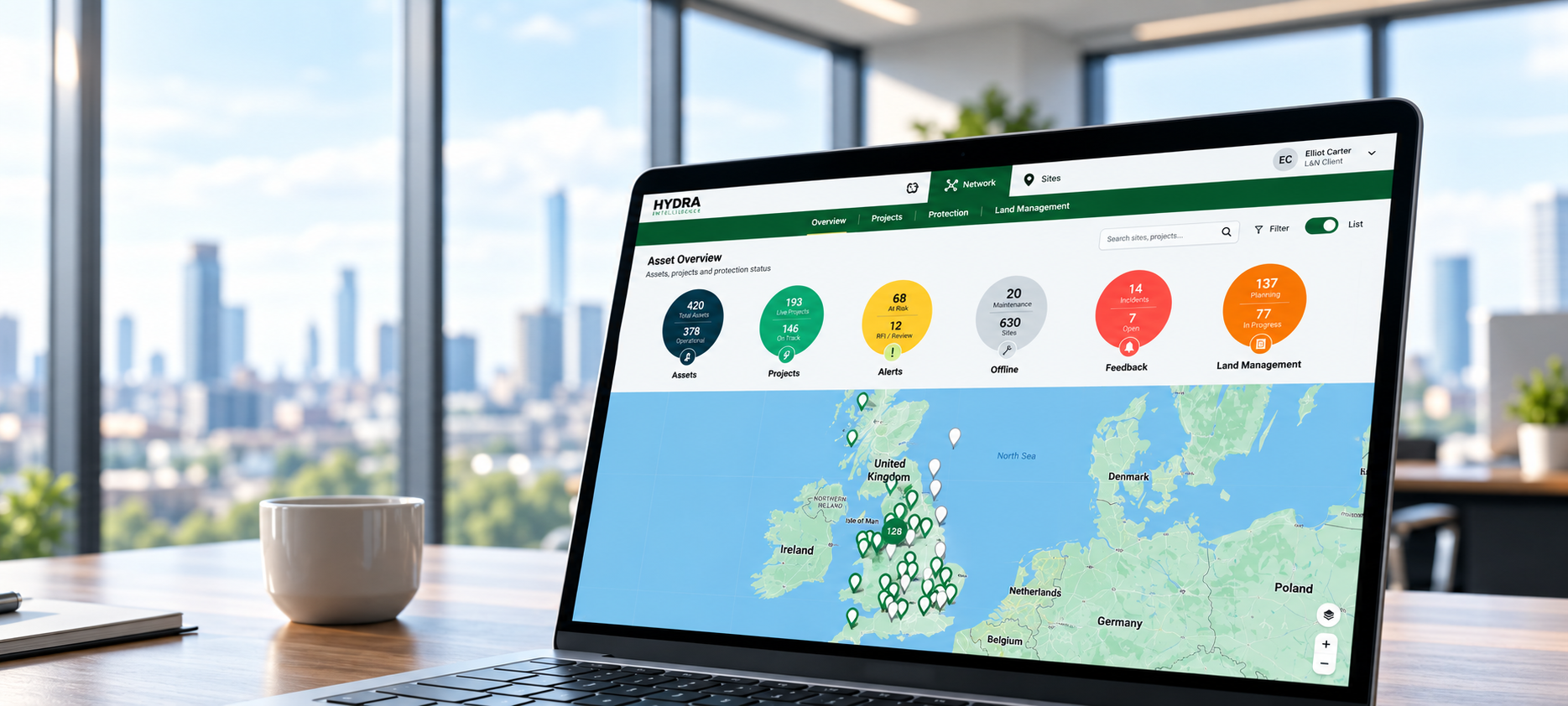
This is one of the reasons Hydra developed the Hydra NEXUS platform.
NEXUS provides operators with real-time visibility of their charging network, allowing chargers across different locations to be monitored through a single platform. It also provides network analytics and reporting alongside tools for managing tariffs, users and revenue.
Importantly for charger reliability, NEXUS includes automatic fault reporting and maintenance response notifications, as well as the ability to deploy over-the-air updates.
That visibility can help turn charger management from a reactive process (waiting for an irritated driver to report a problem) into a much more proactive one.
Technology is only part of the equation, however.
Effective public charging also requires knowledgeable technical support and a clear process for investigating and resolving faults. Hydra combines its charging technology and NEXUS platform with technical and after-sales support designed to help customers keep their infrastructure operating effectively.
A charger only delivers value when people can use it
Public EV charging infrastructure represents an investment. But the return on that investment does not come from having chargers sitting in a car park. It comes from drivers successfully using them.
That means utilisation, payment, monitoring, maintenance and customer support all need to be considered as part of the charging strategy.
Because when public charging works seamlessly, it can become another reason for a customer to choose your location.
When it repeatedly fails, it can become a reason for them to choose somewhere else.
For businesses investing in public EV charging, uptime should therefore be considered from day one, not after the first customer calls to say the charger isn’t working.
Planning EV charging for your business, fleet or site? Talk to Hydra about what you actually need the infrastructure to achieve, and we can help you develop a solution around it.
Phone: 01268 205 121
Email: sales@hydraev.co.uk