EV charging has accumulated plenty of assumptions over the years.
Some come from the early days of electric vehicles, when ranges were shorter and charging infrastructure was far less developed. Others come from treating every charging requirement as though it were the same.
In reality, the right approach depends on the vehicle, its journeys, how long it is parked, the power available and what the charging infrastructure actually needs to achieve.
Here are ten common EV charging myths, and the reality behind them.
Myth 1: Faster charging is always better
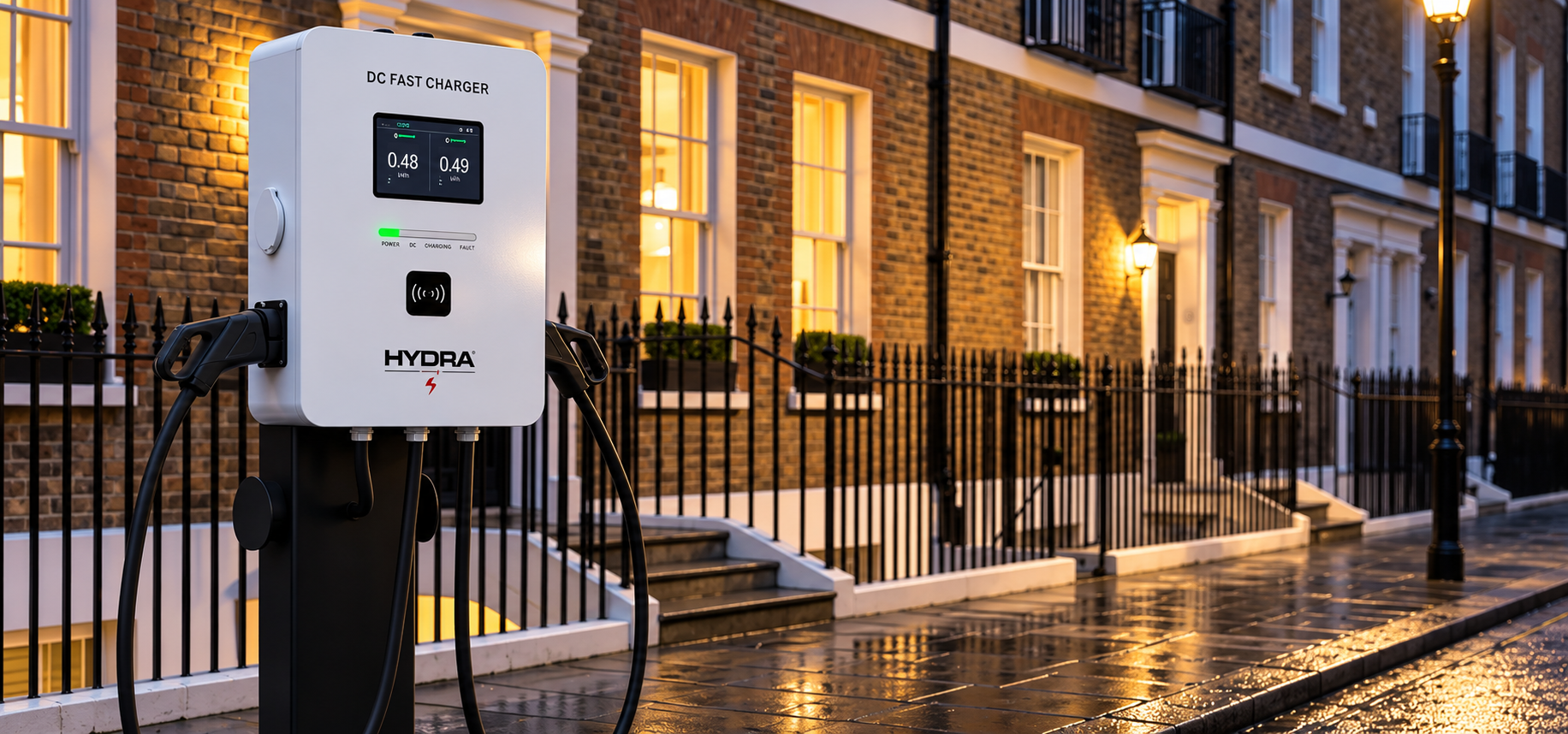
More power does not automatically mean a better charging solution.
The vehicle itself can limit how much power it accepts. With AC charging, for example, an EV capable of accepting 11kW will not charge at 22kW simply because it is connected to a 22kW charger.
Dwell time matters too. If a vehicle is parked at a workplace all day or at a depot overnight, completing its charge several hours earlier may provide little operational benefit.
The relevant question is how much energy the vehicle needs before it needs to move again.
Myth 2: EV charging takes too long
This often comes from comparing charging directly with filling a petrol or diesel vehicle.
But EV charging frequently happens while the vehicle is already stationary: overnight, during the working day, between shifts or during a planned stop. And on tariffs that are very much more cost-effective than you’ll find on public chargers.
Different charging speeds suit different situations. A vehicle parked for ten hours has a very different requirement from one that has 30 minutes between journeys.
Charging time matters. But it needs to be considered alongside the time actually available to charge.
Myth 3: The electricity grid won’t cope
The transition to electric transport will increase electricity demand, but that is not the same as saying the UK electricity system cannot support it.
National Grid estimates that if every vehicle switched to electric, overall demand would rise by around 10%. It also points out that peak electricity demand has fallen since 2002, leaving additional capacity within the wider system.
There may still be genuine capacity constraints at an individual workplace, depot or commercial site.
National grid capacity and local site capacity are two different issues.
Myth 4: Installing EV chargers ALWAYS means upgrading the electrical supply
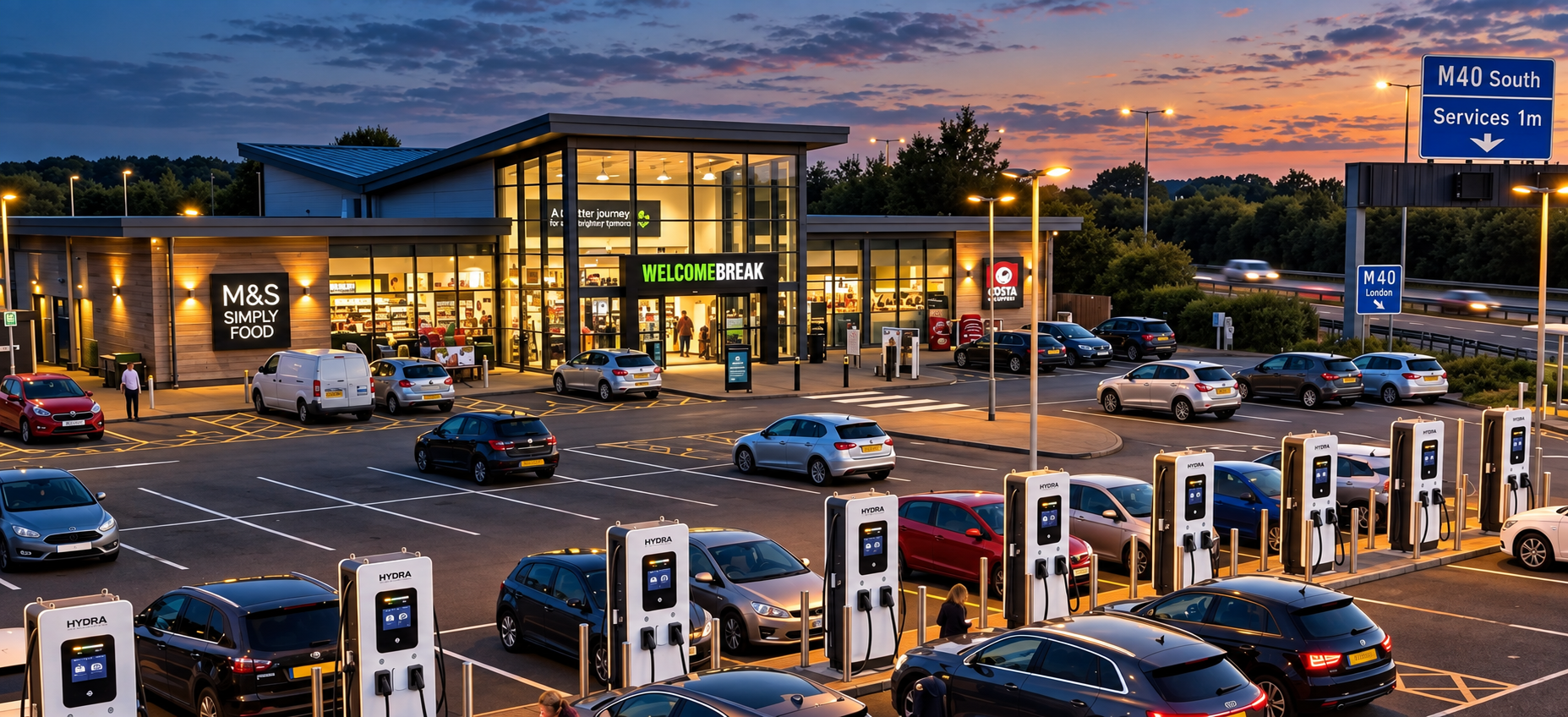
Sometimes an upgrade will be needed. Sometimes it will not.
Existing building demand, periods of peak consumption, available capacity and when vehicles are expected to charge all affect the calculation.
Dynamic load management can allocate the available electrical capacity to charging while keeping overall site demand within its limits. This can allow more charging capacity to be used without automatically requiring an upgrade to the incoming supply.
The site needs to be understood before the solution is specified.
Myth 5: Public charging means having an app for every network
There was considerably more truth in this during the earlier development of the UK charging network.
The experience is becoming more standardised.
Under the Public Charge Point Regulations 2023, all new public charge points rated at 8kW and above deployed after 24 November 2024, and all public charge points rated at 50kW and above, must offer contactless payment, subject to the regulations’ scope.
Apps and memberships remain available, but they increasingly are not the only way to access public charging.
Myth 6: Future-proofing means installing the most powerful system possible
Future-proofing is about creating the ability to adapt, not simply buying more capacity than is currently needed.
That could mean allowing for additional cable routes, planning electrical distribution appropriately, choosing scalable software or introducing load management that can accommodate more vehicles later.
Energy Saving Trust specifically recommends considering future fleet growth when designing charging and load-management infrastructure.
Good future-proofing creates a sensible route for expansion.
Myth 7: Choosing the charger is the main decision
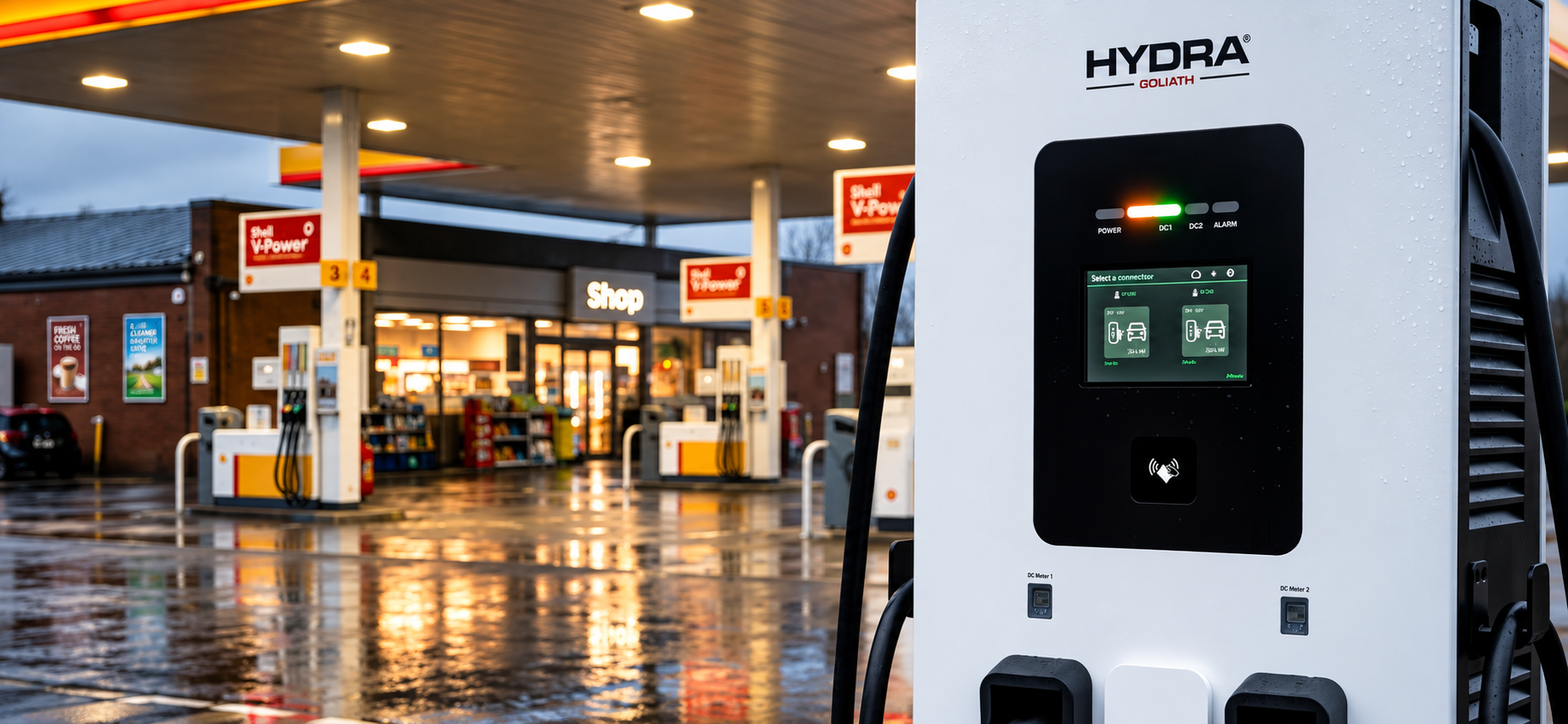
The hardware matters, but it is only one part of the charging infrastructure.
Vehicle types, daily mileage, dwell times, available power, connectivity, user access, payment requirements, software, reporting and future growth can all influence what is appropriate.
Two businesses operating the same number of EVs could therefore require completely different charging solutions.
The starting point should be understanding how charging needs to work, rather than deciding which charger to buy.
Myth 8: EVs don’t have enough range for everyday driving
Range anxiety is a genuine consideration, particularly for drivers making unfamiliar or unpredictable journeys. But the available evidence gives it useful context.
Government guidance states that 99% of car journeys in England are under 100 miles. Meanwhile, the Society of Motor Manufacturers and Traders reported in May 2026 that the average driving range of battery electric cars available in the UK had risen beyond 300 miles.
That does not mean range should be ignored. Weather, speed, payload, towing and heating or air-conditioning can all affect it.
The important comparison is between a vehicle’s realistic usable range and the journeys it actually needs to complete.
Myth 9: Every commercial fleet needs rapid DC charging
Rapid DC charging can be valuable where vehicles need substantial amounts of energy in relatively short periods.
But that does not describe every fleet.
Vehicles returning to a depot overnight may be well suited to lower-powered AC charging. Energy Saving Trust notes that rapid charging is generally more relevant to vehicles with large batteries or operations where vehicles have limited downtime.
Higher-powered infrastructure can also place greater demands on the electrical supply.
The right charging technology depends on the fleet’s operational pattern.
Myth 10: Once the chargers are installed, the job is done
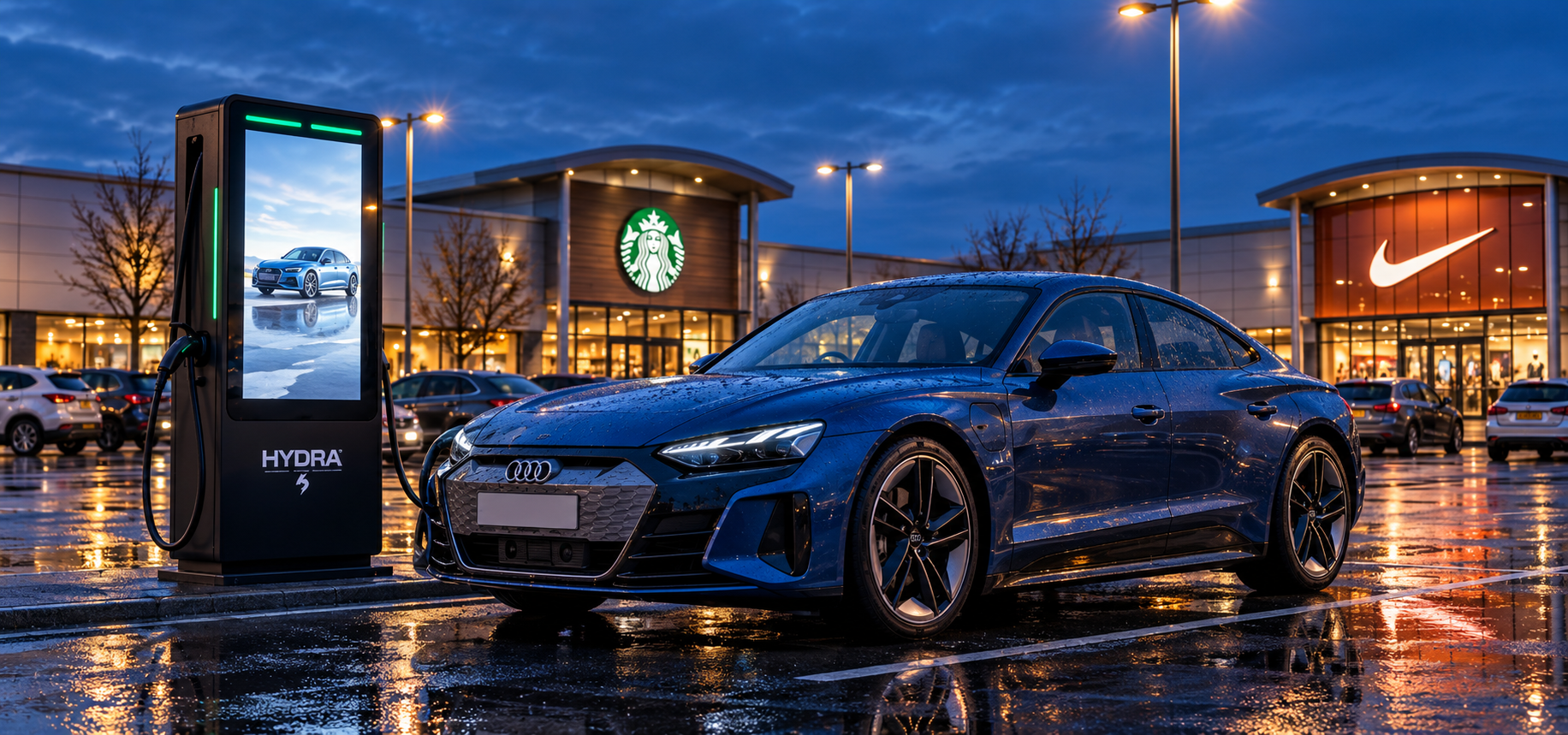
Charging infrastructure needs to work after installation too.
Connectivity, user access, monitoring, reporting, tariffs, maintenance, fault resolution and changes in vehicle numbers can all affect how well a charging network performs over time.
The UK’s Public Charge Point Regulations themselves now cover areas including payment, pricing transparency, reliability, helplines and open data, reflecting the fact that effective charging involves considerably more than the physical hardware.
Plan EV Charging Around What Your Site Actually Needs
EV charging decisions are often influenced by assumptions around speed, power, range, grid capacity and future demand.
In practice, the right solution depends on how your vehicles are used, how long they are parked, what power is available on site and what the infrastructure needs to achieve operationally.
That is why Hydra starts with the requirement.
By assessing the site, available power, vehicle usage and future plans first, it becomes much easier to determine the appropriate charging speed, hardware, load management, software and supporting infrastructure.
Sometimes the answer will be higher-powered charging. Sometimes it will be a simpler solution making better use of the capacity already available.
The important thing is making that decision based on the reality of the site rather than the myths around EV charging.
Planning EV charging for your business, fleet or site? Talk to Hydra about what you actually need the infrastructure to achieve, and we can help you develop a solution around it.
Phone: 01268 205 121
Email: sales@hydraev.co.uk